Running shoes for basketball players

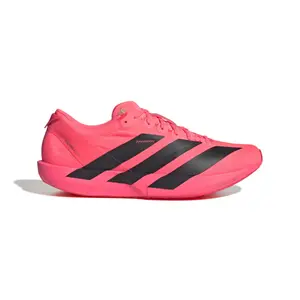
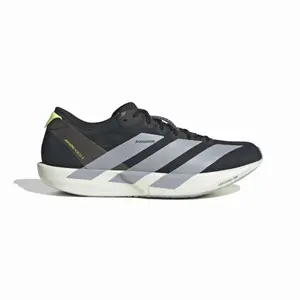
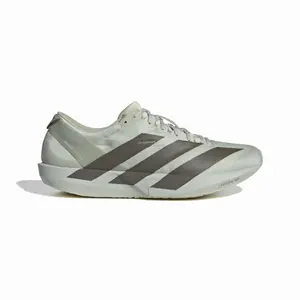


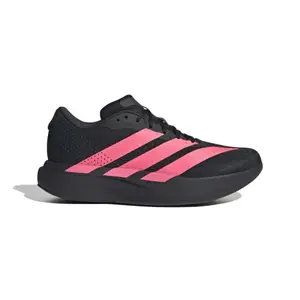
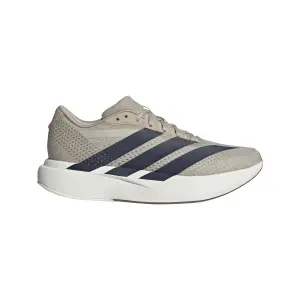
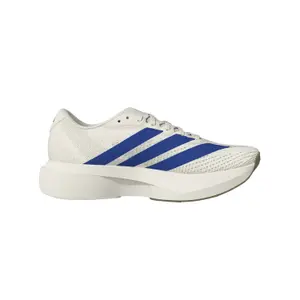


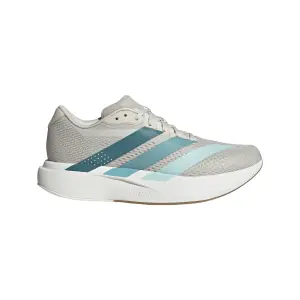


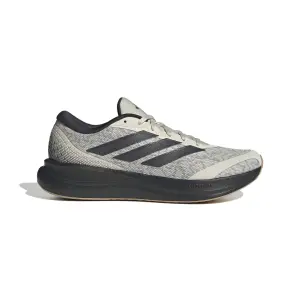


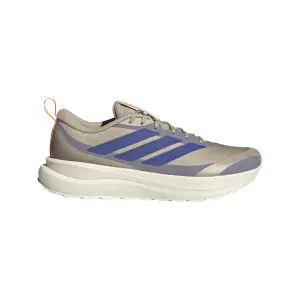


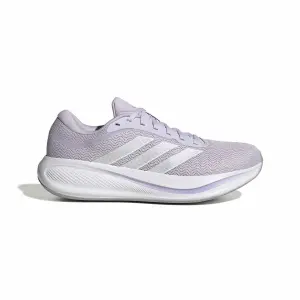

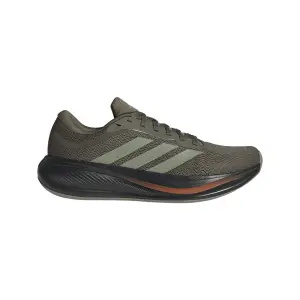


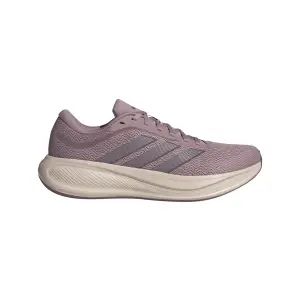
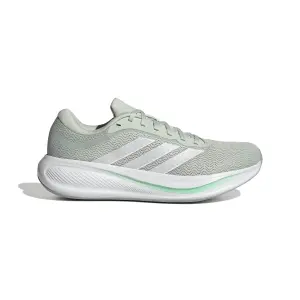
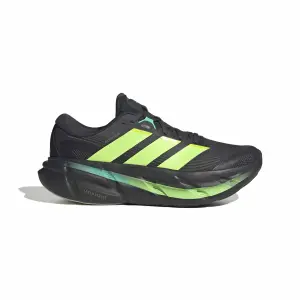


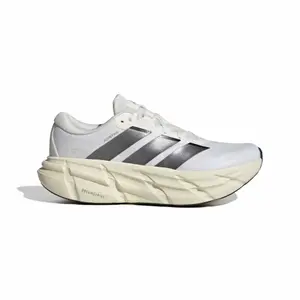
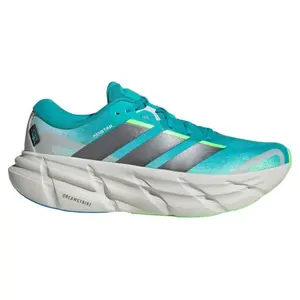
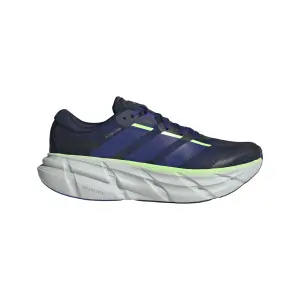
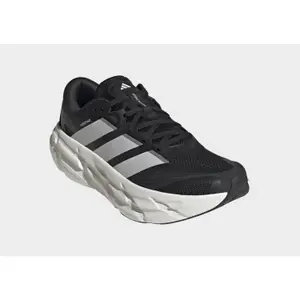
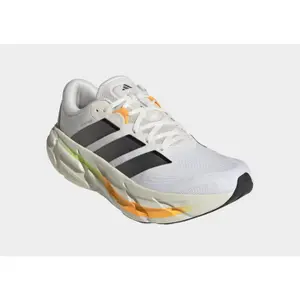


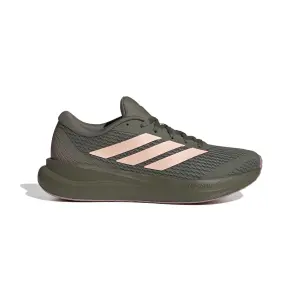


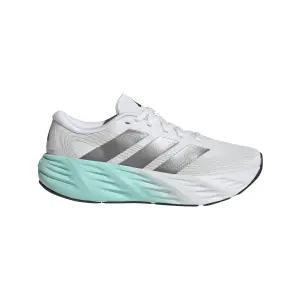
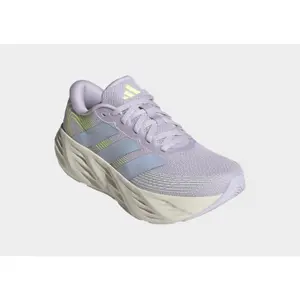
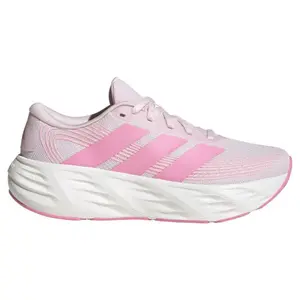
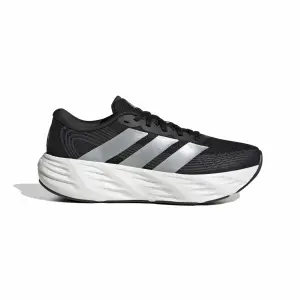
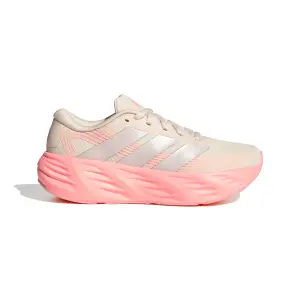
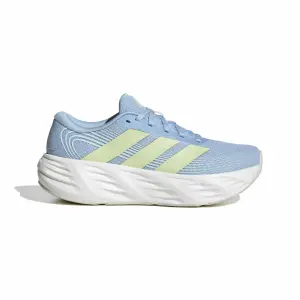
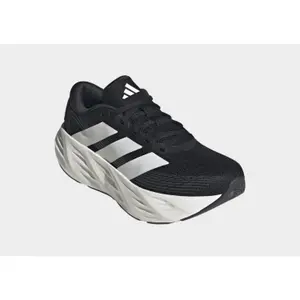
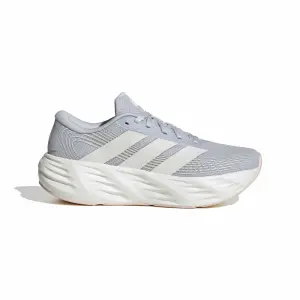
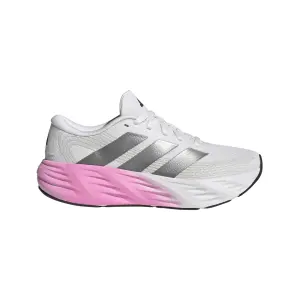
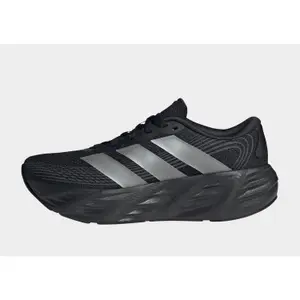


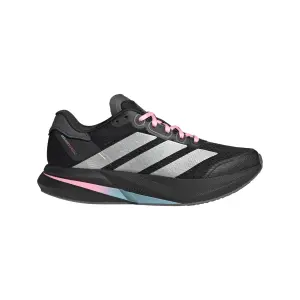


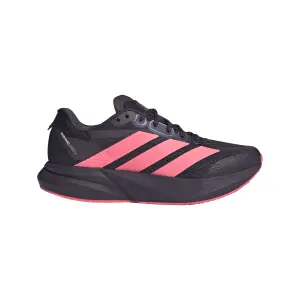


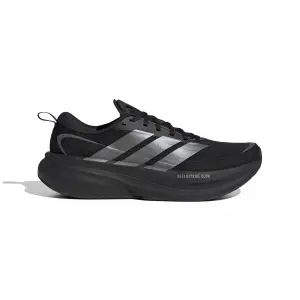

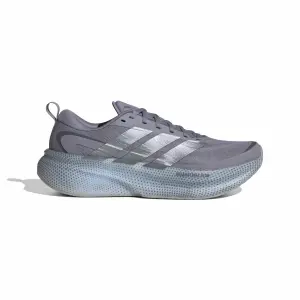
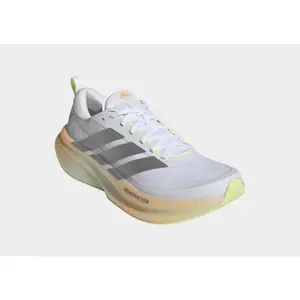
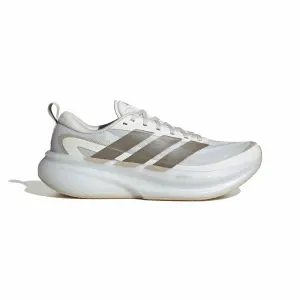
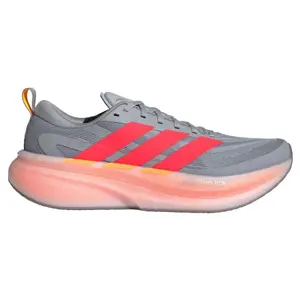
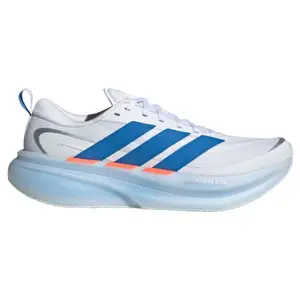


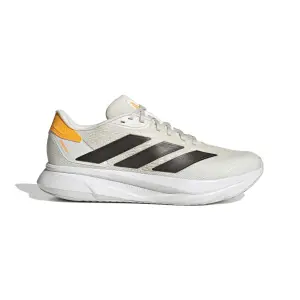
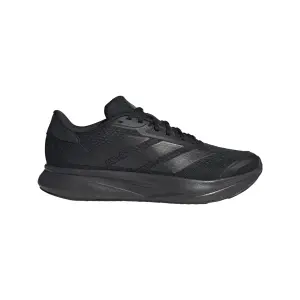


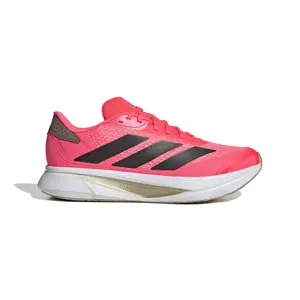


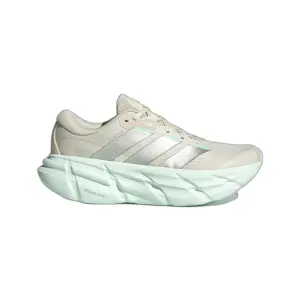
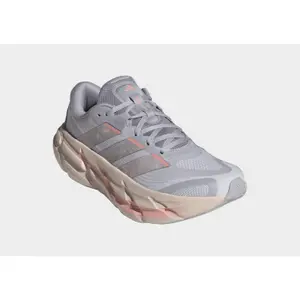
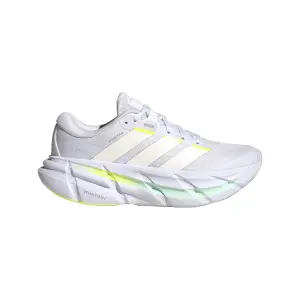
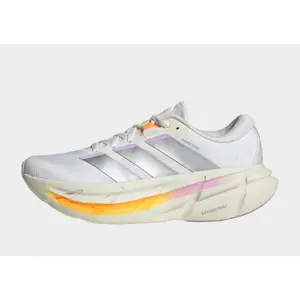
A FIBA match lasts forty minutes of actual play, and running shoes help to build the stamina needed to last until the end. This page brings together models for beginners, for long runs, for speed, and for trails.
Filter by size, by brand, or by use.
Why your basketball shoes aren't enough for running
A basketball shoe is designed for lateral support, sudden stops, and jumps. It is heavier, stiffer, and often comes up higher on the ankle. A running shoe, it, supports a forward motion with cushioning designed for repeated impacts on the pavement. Running ten kilometres in basketball shoes can be tiring and wears down the indoor soles. Keep each pair for its intended use.
From leisurely jogging to a quick session
Most of the models on this page are made by adidas, and each line has its purpose.
- Runfalcon and Duramo: simple and lightweight shoes for beginners or occasional running.
- Supernova and Response: models for daily training, comfortable for regular outings.
- Adistar: generous cushioning for long runs.
- Adizero: the speed range, including the Adios, a lightweight competition shoe.
For a basketball player who runs two or three times a week alongside club sessions, a daily training model is more than enough.
Pavement, trails, or track: choose according to the surface
On roads and treadmills, a smooth and cushioned sole does the trick. On trails, you need more pronounced studs that grip the ground and stones. This is the role of the ATR versions of the Runfalcon, for "all terrain". If you alternate between road and park, a versatile shoe of this type prevents you from needing to buy two pairs.
Finding the right shoe size
A running shoe is often chosen a half size bigger than your everyday size. Your foot swells during exercise and moves forward with each stride: you need about half a centimetre in front of the big toe. Try it on in the evening, with your running socks. Basketball players with larger feet should check that the size is available in the chosen model.
Running shoe brands
These brands make up the selection on the page.
- adidas offers the essentials of the models, from Runfalcon to Adizero Adios.
- Diadora, an Italian brand, has a long history in running shoes.
- Jako, a team sports specialist, adds a few models for training.
- Mizuno, a Japanese reference in running, is known for the stability of its shoes.
- Joma completes the range with affordable running shoes.
Socks, clothing, watch: finishing the outfit
A good shoe deserves a good sock: running socks reduce friction. Running clothing outfits your run, from tops to windbreakers. Watches track distance and pace, and water bottles and belts carry water and your phone. Arm bands and hydration belts are available on the accessories page.
Cheaper running shoes
Running shoes often change colour, which reduces prices of older models. The clearance section welcomes them all year round. The sales and Black Friday are the two main events, and the deals page gathers the current offers.
Frequently asked questions
How many kilometres does a running shoe last?
It’s often said to be six hundred to eight hundred kilometres, depending on the model, the runner's weight, and the terrain. When the cushioning feels flat or the sole is worn smooth in places, it's time to replace them. A basketball player who runs infrequently will keep them longer.
Is a running shoe suitable for weight training?
Not really. Its thick cushioning makes heavy loads unstable. For the gym, a flat shoe or a cross-training shoe holds the foot better to the ground.
How do I know if I need a stable shoe?
If your soles are very worn on the inside edge, a more stable shoe may help you feel more secure. A gait analysis in a specialist store or advice from a podiatrist provides reliable feedback. Don’t rely solely on a feeling.
How do I maintain my running shoes?
After a wet run, remove the insole and let it dry in the open air, away from a radiator. Clean them with lukewarm water using a soft brush, never in the washing machine. Alternating between two pairs gives the cushioning time to regain its shape.
Can I run on a treadmill with trail shoes?
Yes, but the studs provide no benefit on a treadmill and wear out unnecessarily. A road shoe, being more flexible, is more comfortable for that. Save studded models for the trails.