Basketball and indoor knee pads
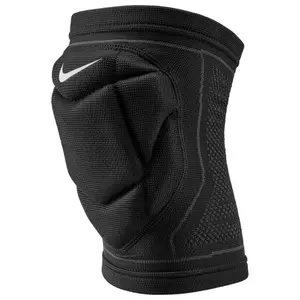
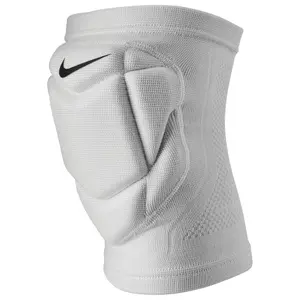


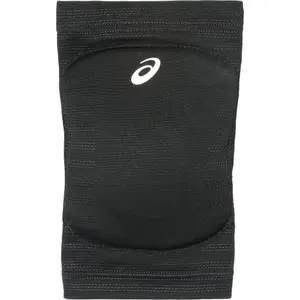
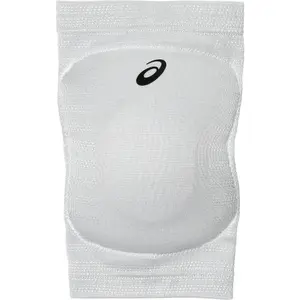
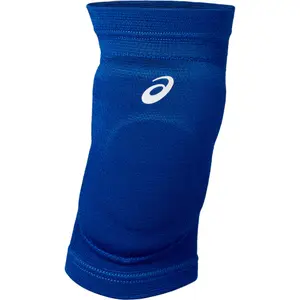


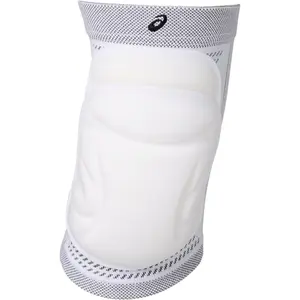
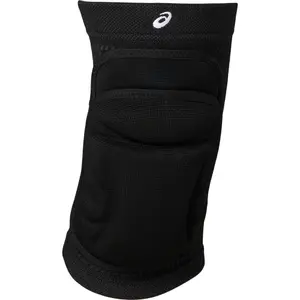


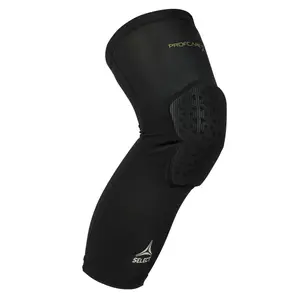

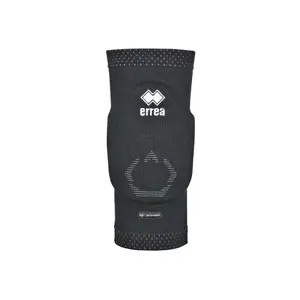

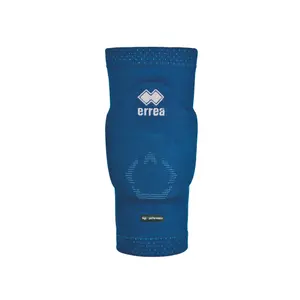
The pivot battling for the rebound, the guard diving for every loose ball, the young player learning to play in contact: everyone is looking for a different knee pad. Padded to absorb shocks against the floor, or made of compressive fabric for light support, it is chosen primarily based on your style of play.
Padded, compressive or articulated: three families
Three types of knee braces cater to three different needs.
- Padded: a foam shell covers the kneecap and absorbs the impact with the ground. This is the choice for players who often play on the court.
- Compressive: an elastic fabric sleeve wraps around the knee and provides a feeling of support without bulk.
- Articulated: side supports with hinges frame the knee. This type of model should be chosen with a healthcare professional.
Thin knee braces for going to the ground
Many models on this page come from volleyball, where defence is played close to the ground. A basketball player makes the same move when diving for a lost ball or is pushed hard. Therefore, a thin and lightweight knee brace can be worn comfortably under basketball shorts.
Find your size to the centimetre
A knee brace that's too loose slips, while one that's too tight can be uncomfortable. Measure around your leg at the specific point indicated by the size guide, usually a few centimetres above or at the centre of the kneecap. Take the measurement while standing, with relaxed muscles. Also check whether the model is sold individually or in pairs: this will be noted in its name.
Errea, Mizuno, Bauerfeind: brands on this page
Six brands cover the essentials, from thick foam to fine knit.
- Errea makes the Tokyo, a knee brace made from high-density polyurethane foam within a breathable fabric, designed to absorb shocks from the ground.
- Mizuno offers the VS1, sold in pairs, with padding that covers the kneecap and the sides of the knee, and a cut that allows the leg to bend freely.
- Bauerfeind, a German orthotics manufacturer, offers a compression knit knee brace presented by the brand as the only one officially licensed by the NBA.
- Nike focuses on simple foam knee braces, like the Essential, which are easy to slip on for every session.
- Asics incorporates gel into the padding of its Gel knee brace.
- McDavid surrounds the knee with hexagonal foam cells in its HEX line and also offers an articulated model.
What a knee brace does, and what it does not do
A knee brace provides comfort, a feeling of support, and cushioning against impacts. It does not diagnose and does not replace rehabilitation. If your knee is painful, swollen, or gives way, consult a healthcare professional before choosing a model. After an injury, they will indicate the appropriate level of support.
Ankles, elbows, teeth: the rest of the protection
The knee is not the only exposed area. Ankle braces surround the ankle, which is heavily used when making contact and landing. Elbow pads cushion falls on the elbow, while sleeves cover arms or legs. Those fighting in the paint look for mouthguards, and compression gear includes shorts and undershirts. All these categories are on the protection page.
Discounted knee braces
Protective gear follows the promotional calendar of the site. The Black Friday equipment kicks off the season, followed by the Christmas equipment selection, and then the sales. Throughout the year, the clearance offers end-of-line products, and the page shipped in 24h features items ready to go.
Frequently Asked Questions
A knee brace or a pair?
To protect yourself from impacts with the ground, get a pair: both knees hit the floor. For targeted support on just one knee, a single model will suffice. Many padded models are sold in pairs.
From what age should one wear a knee brace?
As soon as a child frequently goes to the ground and complains of bruises on the knees. Several models are available in junior sizes, which are thinner and lighter. Measure their leg as you would for an adult, at the point indicated by the guide.
How can I prevent a knee brace from slipping during a match?
First, check the size: a knee brace that slips is often too large. Put it on over dry skin, without cream. If the elastic has loosened after many months of use, it's time to replace it.
How do I wash a knee brace?
Rinse it after each session to remove sweat, then wash it by hand or in a mesh bag at a low temperature. Do not put it in the tumble dryer or on a radiator: heat damages the foam and elastic. Allow it to dry flat.
Can I play again with a knee brace after a sprain?
The answer lies with a healthcare professional, who knows your knee. The knee brace is just a support and comfort accessory. Once you’re cleared to resume, they will help you choose between a compressive model and a more supportive one.